
Accumulation Conveyor


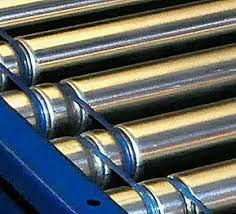
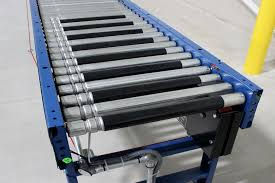


An accumulation conveyor is a type of conveyor designed to manage product flow by temporarily holding items in place before moving them forward. These conveyors are essential in various industries, including manufacturing, packaging, and distribution, to ensure efficient handling of products. Here’s an overview of accumulation conveyors, their types, and their applications.
Key Features of Accumulation Conveyors:
Product Flow Control: Accumulation conveyors allow for the controlled release of products, ensuring smooth and efficient handling without bottlenecks or damage.
Versatility: Suitable for a wide range of products, including boxes, cartons, pallets, and other items.
Modular Design: Can be easily integrated into existing conveyor systems and can be customized based on specific requirements.
Reduced Product Damage: Gentle handling of products reduces the risk of damage, especially for delicate items.
Types of Accumulation Conveyors
Zero Pressure Accumulation Conveyor: Prevents items from touching each other by using sensors and zones. When one zone is occupied, the preceding zone stops moving, maintaining a gap between products.
Minimum Pressure Accumulation Conveyor: Allows products to touch but minimizes pressure between them. Suitable for lightweight items where slight contact does not cause damage.
Non-Contact Accumulation Conveyor: Similar to zero pressure but ensures no contact between items at all. Often uses advanced sensing and control mechanisms.
Live Roller Accumulation Conveyor: Uses rollers that can be driven or idle. Driven rollers help move products, while idle rollers provide accumulation points.
Belt-Driven Live Roller (BDLR) Accumulation Conveyor: Features belts that drive rollers, suitable for heavier items. Can be configured for zero or minimum pressure accumulation.
Applications of Accumulation Conveyors
Packaging: Helps in buffering products between different packaging stages, such as filling, capping, labeling, and boxing.
Manufacturing: Used in assembly lines to manage the flow of parts and products, ensuring synchronized production processes.
Distribution Centres: Facilitates order picking and sorting, ensuring efficient handling and dispatch of goods.
Food and Beverage: Ensures gentle handling of packaged food items, reducing the risk of damage and contamination.
Pharmaceuticals: Critical in handling delicate medical products, ensuring they are accumulated and conveyed without damage.
Benefits of Accumulation Conveyors
Enhanced Efficiency: Optimizes the flow of products, reducing downtime and increasing throughput.
Improved Safety: Reduces manual handling, minimizing the risk of workplace injuries.
Space Utilization: Efficiently uses available space by creating temporary storage points within the conveyor system.
Cost-Effective: Reduces the need for manual labor and minimizes product damage, leading to cost savings.
Accumulation conveyors are integral to modern material handling systems, providing a solution for managing product flow efficiently and safely. By selecting the appropriate type of accumulation conveyor, businesses can enhance productivity, reduce product damage, and ensure smooth operations across various industrial applications.