
Gravity Conveyor
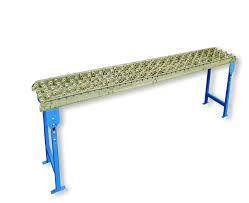
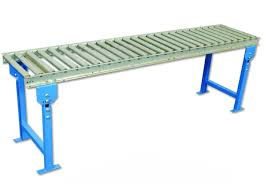
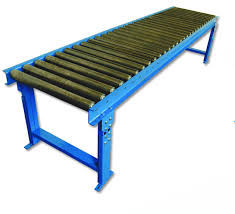
Gravity conveyors are a type of unpowered conveyor that relies on gravity to move products along a decline. These conveyors are simple, cost-effective, and widely used in various industries for moving materials and products efficiently. Here’s an in-depth overview of gravity conveyors, including their features, components, types, applications, and benefits.
Key Features of Gravity Conveyors
Unpowered Operation: Utilizes gravity to move products, eliminating the need for motors or power sources.
Simple and Robust Design: Consists of basic components, making them durable and easy to maintain.
Cost-Effective: Lower initial and operational costs compared to powered conveyors. Versatility: Suitable for a wide range of applications and product types.
Ease of Installation: Simple setup and can be quickly integrated into existing systems.
Components of Gravity Conveyors
Rollers or Skate Wheels: The conveying surface, typically made of steel, aluminum, or plastic. Rollers are used for handling heavier items, while skate wheels are used for lighter loads.
Frame: The structural component that supports the rollers or skate wheels, usually made of steel or aluminum for strength and durability.
Leg Supports: Adjustable legs that provide stability and allow for height adjustment to create the necessary incline for gravity flow.
Guard Rails: Optional side rails that keep products on the conveyor and prevent them from falling off.
Working Principles
Products are placed on the rollers or skate wheels at the higher end of the conveyor.
Gravity pulls the products down the inclined conveyor path.
The angle of the incline and the type of conveying surface determine the speed at which products move.
Types of Gravity Conveyors
Gravity Roller Conveyor: Uses rollers to support and move products. Ideal for heavier items or pallets.
Gravity Skate Wheel Conveyor: Uses skate wheels instead of rollers. Best for lighter loads and cartons.
Flexible Gravity Conveyor: Features a flexible frame that can expand, contract, and bend, allowing for dynamic and temporary setups.
Applications of Gravity Conveyors
Warehousing and Distribution: Used for moving products in storage areas, loading docks, and shipping/receiving areas.
Manufacturing: Transports components or finished products between different stages of production.
Order Fulfillment: Facilitates picking and packing operations in distribution centers and e-commerce fulfillment.
Assembly Lines: Moves products or parts through various stages of assembly.
Retail: Assists in moving products in backrooms and stock areas.
Food and Beverage: Handles packaged food items in processing and packaging areas.
Benefits of Gravity Conveyors
Energy Efficiency: Operates without power, reducing energy consumption and costs.
Low Maintenance: Fewer moving parts and no motors mean less maintenance and lower costs.
Scalability: Easy to expand or reconfigure as operational needs change.
Improved Productivity: Streamlines the movement of products, reducing manual handling and increasing throughput.
Flexibility: Can be easily integrated into various systems and used for different applications.
Space Utilization: Efficient use of available space, especially with flexible models.
Gravity conveyors are a versatile, cost-effective, and efficient solution for material handling in various industries. Their simplicity, durability, and ease of use make them ideal for a wide range of applications, from warehousing and manufacturing to order fulfillment and food processing. By incorporating gravity conveyors into their operations, businesses can improve productivity, reduce energy costs, and ensure smooth and reliable movement of products.